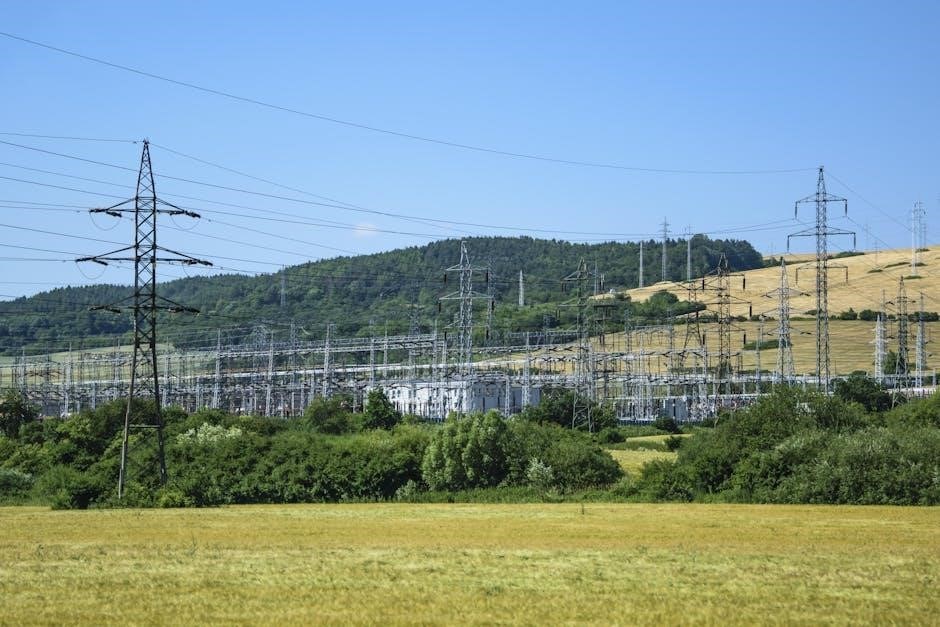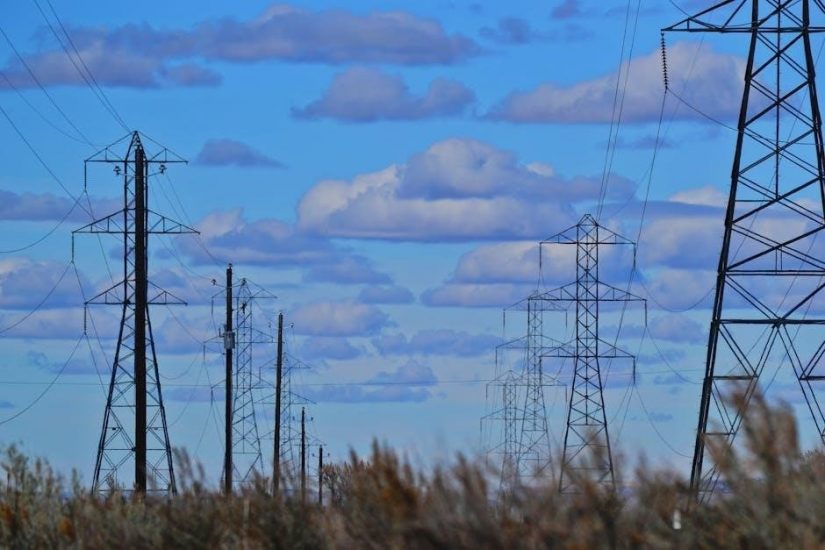
This comprehensive guide explores AC/DC power, voltage, current, resistance, and three-phase systems, detailing transformers, distribution, power factor correction, and vital safety protocols․
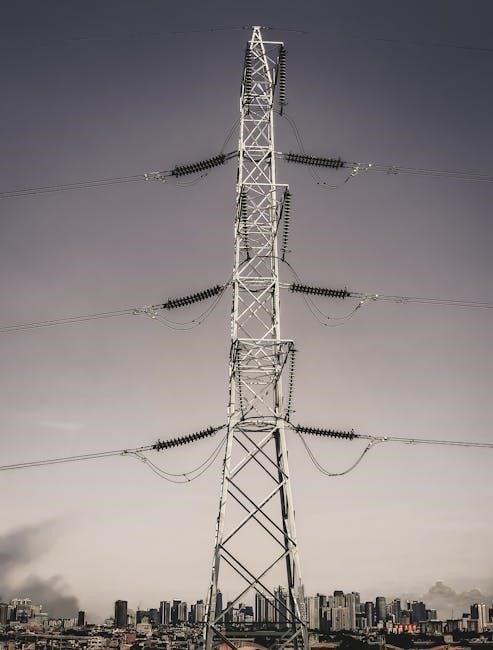
Electricity is a fundamental form of energy powering modern life, from homes and industries to transportation and communication․ Understanding its principles is crucial in today’s technologically driven world․ This section provides a foundational overview, exploring the basic concepts that underpin electrical systems․
We’ll begin by examining the historical development of electrical science, tracing its roots from early observations of static electricity to the breakthroughs that led to practical applications․ The study of electricity involves understanding the behavior of electric charge and its interaction with magnetic fields․
This introductory exploration will lay the groundwork for more advanced topics, such as circuit analysis, power generation, and electrical safety․ A solid grasp of these fundamentals is essential for anyone pursuing a career in electrical engineering, electronics, or related fields, and for anyone seeking to understand the world around them․

Basic Electrical Concepts
Central to understanding electricity are several core concepts․ Electric charge, the fundamental property of matter causing attraction or repulsion, exists in positive and negative forms․ Current, measured in Amperes, represents the flow of electric charge through a conductor – essentially, how many electrons pass a point per second․
Voltage, or potential difference, measured in Volts, is the ‘electrical pressure’ driving the current․ Think of it as the force pushing electrons along a circuit․ These three – charge, current, and voltage – are intrinsically linked and form the basis of circuit analysis․
Furthermore, understanding the concept of electrical power, measured in Watts, is vital․ Power describes the rate at which energy is transferred or used․ These foundational concepts are essential building blocks for comprehending more complex electrical phenomena․
Voltage, Current, and Resistance
Voltage (V), measured in Volts, represents the electrical potential difference – the ‘push’ that drives electrons through a circuit․ Current (I), measured in Amperes, quantifies the rate of electron flow․ Resistance (R), measured in Ohms, opposes this flow, hindering the current․
These three are fundamentally interconnected․ A higher voltage generally leads to a higher current, provided resistance remains constant․ Conversely, increased resistance reduces current for a given voltage․ Materials exhibit varying levels of resistance; conductors offer low resistance, while insulators offer very high resistance․
Understanding these relationships is crucial for analyzing and designing electrical circuits․ The interplay between voltage, current, and resistance dictates how circuits behave and how much power they consume or deliver․ They are the cornerstones of electrical engineering․
Ohm’s Law
Ohm’s Law is a foundational principle in electrical circuits, mathematically expressing the relationship between Voltage (V), Current (I), and Resistance (R)․ It’s succinctly stated as: V = I * R․
This equation reveals that voltage is equal to the product of current and resistance․ Consequently, we can rearrange the formula to solve for current (I = V / R) or resistance (R = V / I)․ Applying Ohm’s Law allows us to calculate any one of these values if the other two are known․
For example, if a circuit has a 12-volt source and a 6-ohm resistor, the current flowing through the circuit would be 2 Amperes (I = 12V / 6Ω)․ It’s a vital tool for circuit analysis and design, enabling engineers and technicians to predict circuit behavior accurately․
Power and Energy
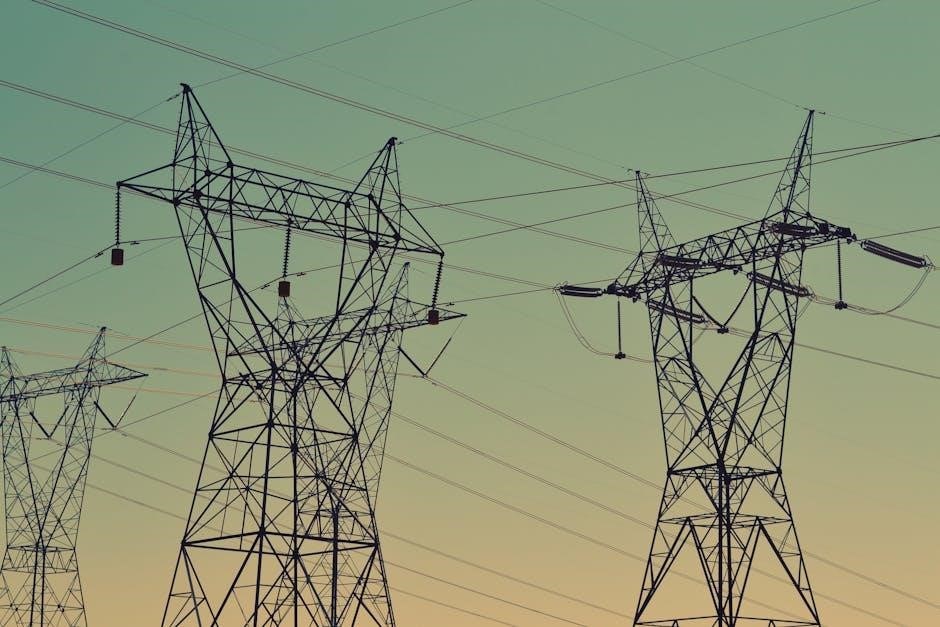
In electrical circuits, power represents the rate at which energy is transferred or consumed․ It’s measured in Watts (W), and is calculated using the formula P = V * I, where P is power, V is voltage, and I is current․ Alternatively, using Ohm’s Law, power can also be expressed as P = I2 * R or P = V2 / R․
Energy, on the other hand, is the capacity to do work․ Electrical energy is measured in Joules (J)․ The relationship between power and energy is that energy is the integral of power over time (E = P * t), where E is energy and t is time․
Understanding this distinction is crucial; power is an instantaneous rate, while energy is a cumulative quantity․ Kilowatt-hours (kWh) are commonly used to measure electrical energy consumption in homes and industries․
Direct Current (DC) vs․ Alternating Current (AC)
Direct Current (DC) flows in one constant direction, typically from positive to negative․ Batteries and electronic devices commonly utilize DC power․ The voltage remains relatively constant over time, making it suitable for powering sensitive electronics and storing energy․
Alternating Current (AC), conversely, periodically reverses direction․ This is the type of electricity delivered by power grids to homes and businesses․ AC’s voltage and current vary sinusoidally over time․ AC is more efficient for long-distance transmission due to the ease of voltage transformation using transformers․
The key difference lies in the flow of charge; DC is unidirectional, while AC is bidirectional․ Many devices require DC power, necessitating the use of AC-to-DC converters (rectifiers) within their power supplies․
AC Circuits
AC circuits exhibit unique behaviors due to the constantly changing voltage and current․ Unlike DC circuits, AC circuits contain impedance, a combination of resistance and reactance․ Reactance arises from inductors and capacitors, opposing changes in current and voltage, respectively․
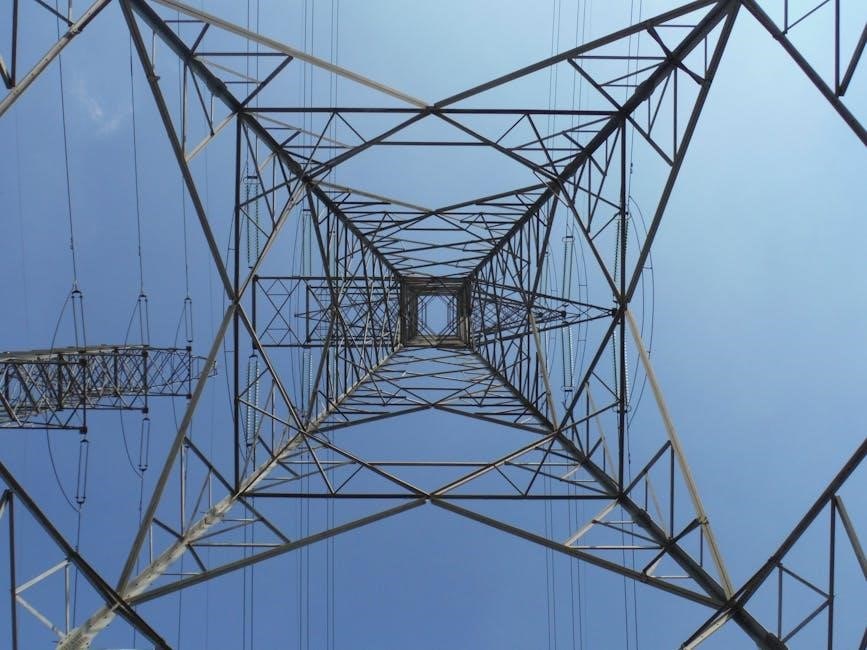
Analyzing AC circuits requires using complex numbers and phasor diagrams to represent sinusoidal waveforms․ These tools help determine voltage and current relationships, phase angles, and power calculations․ Circuit analysis techniques like Kirchhoff’s laws are still applicable, but must be adapted for AC conditions․
Understanding AC circuit behavior is crucial for designing and troubleshooting electrical systems․ Factors like frequency and phase significantly impact circuit performance and require careful consideration during design and operation․
Frequency and Wavelength
In AC circuits, frequency dictates how many complete cycles of alternating current occur per second, measured in Hertz (Hz)․ A higher frequency means more cycles per second, while a lower frequency signifies fewer․ This parameter is fundamental to AC system design and operation, influencing component selection and circuit behavior;
Wavelength is intrinsically linked to frequency and the speed of light (or the propagation speed in a medium)․ It represents the physical distance of one complete cycle of the waveform․ The relationship is defined by: wavelength = speed of light / frequency․
Understanding both frequency and wavelength is vital when dealing with electromagnetic waves, as they determine the wave’s energy and interaction with materials․ These concepts are particularly important in radio communication and signal processing․
Phase and Phase Shift
In AC circuits, voltage and current don’t always reach their peak values simultaneously; this timing difference is known as phase shift․ Phase is measured in degrees or radians, representing the angular difference between two waveforms․ A phase shift of 0 degrees indicates that voltage and current are in phase, peaking together․
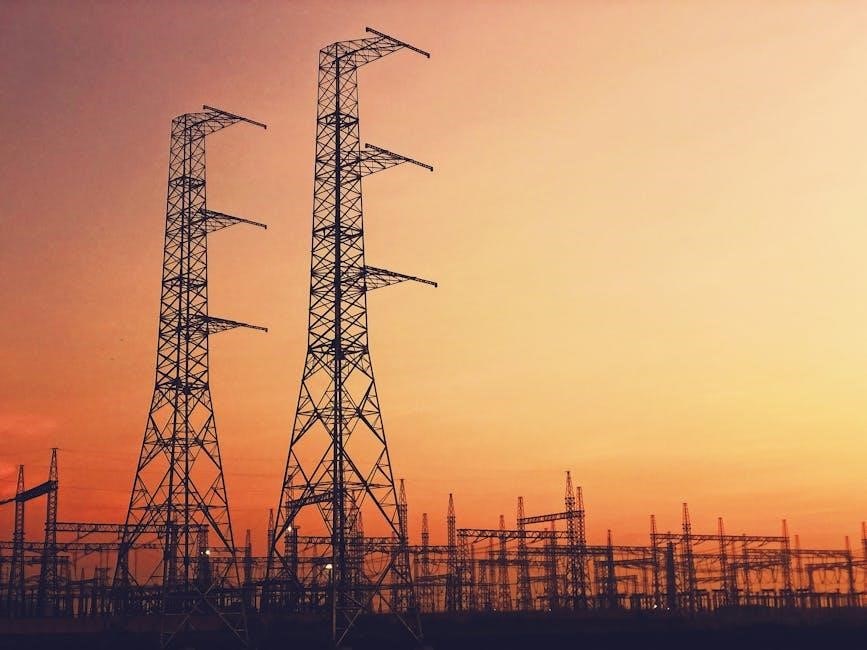
Phase shift arises due to reactive components like capacitors and inductors․ Capacitors cause current to lead voltage, while inductors cause voltage to lead current․ The amount of phase shift depends on the component’s reactance and the circuit’s frequency․
Understanding phase and phase shift is crucial for analyzing AC circuit behavior, particularly in power systems where maintaining proper phase relationships is essential for efficient power transfer and stability․ It impacts power factor and overall system performance․
Transformers
Transformers are static electrical devices that transfer electrical energy between two or more circuits through electromagnetic induction․ They are essential components in power distribution systems, enabling efficient voltage step-up or step-down․
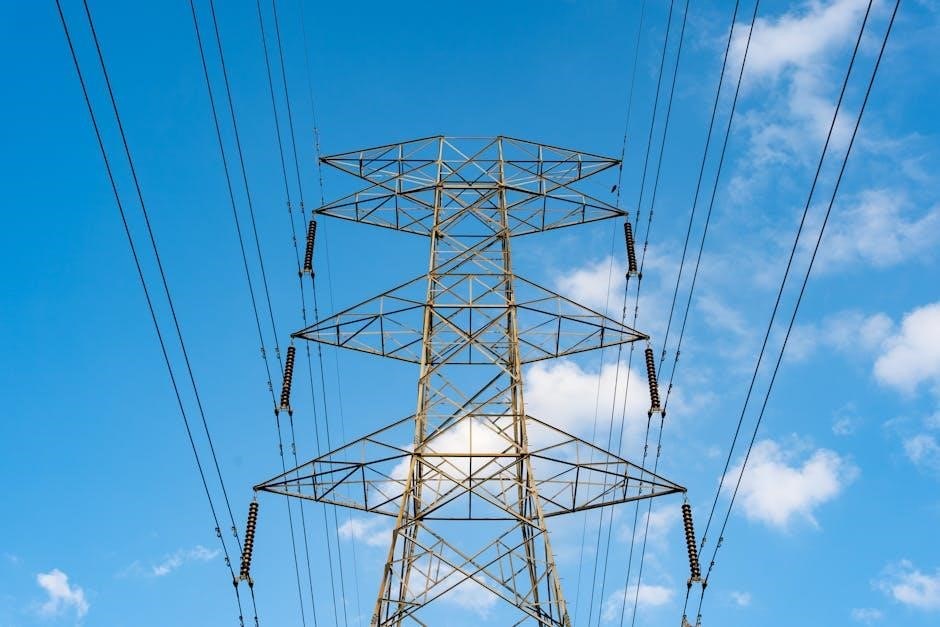
A transformer consists of two or more coils of wire wound around a common magnetic core․ The primary coil receives energy from the source, creating a magnetic flux in the core․ This flux induces a voltage in the secondary coil, with the voltage ratio determined by the turns ratio of the coils․
Transformers are vital for transmitting power over long distances at high voltages, minimizing losses, and then reducing the voltage for safe use in homes and industries․ They play a critical role in industrial electricity basics and power factor correction․
Electrical Safety
Electrical safety is paramount when working with electricity, demanding strict adherence to protocols to prevent injury or fatalities․ Understanding potential hazards and implementing preventative measures are crucial for a safe working environment․
Two critical safety procedures are Lockout/Tagout (LOTO) and the use of Personal Protective Equipment (PPE)․ LOTO procedures involve isolating energy sources before maintenance or repair, preventing accidental energization․ This includes physically locking out circuit breakers and applying tags to indicate the equipment is out of service․
PPE, such as insulated gloves, safety glasses, and flame-resistant clothing, provides a barrier against electrical hazards․ Proper training on the correct use of PPE and LOTO procedures is essential for all personnel working with or near electrical equipment, especially in industrial settings․
Lockout/Tagout (LOTO) Procedures
Lockout/Tagout (LOTO) procedures are essential safety protocols designed to prevent the unexpected energization of equipment during maintenance or servicing․ These procedures safeguard workers from hazardous energy release, minimizing the risk of electrical shock, burns, or other injuries․
The LOTO process typically involves several key steps: identifying all energy sources, properly shutting down the equipment, isolating energy sources with locks and tags, dissipating any stored energy, and verifying the isolation before work begins․ Each authorized employee should have a unique lock and tag․
Regular training and audits are vital to ensure LOTO procedures are consistently followed․ Proper documentation of LOTO activities is also crucial for maintaining a safe and compliant work environment, protecting personnel and preventing accidents․
Personal Protective Equipment (PPE)
Personal Protective Equipment (PPE) is a critical component of electrical safety, providing a barrier between workers and electrical hazards․ Selecting the appropriate PPE is paramount, based on the specific task and potential exposure levels․ This equipment minimizes the risk of contact with energized parts and reduces the severity of potential injuries․
Essential PPE for electrical work includes: insulated gloves and sleeves rated for the voltage level, safety glasses or face shields to protect against arc flash, flame-resistant clothing to minimize burn injuries, and insulated footwear to provide isolation from ground․ Proper inspection and maintenance of PPE are crucial for ensuring its effectiveness․
Regular training on the correct use, limitations, and care of PPE is vital․ Workers must understand how to properly don and doff PPE, and recognize when equipment is damaged or no longer provides adequate protection, safeguarding their well-being․
Three-Phase Power Systems
Three-phase power systems are the backbone of industrial electricity, delivering power more efficiently than single-phase systems․ They utilize three alternating current (AC) waveforms, each offset by 120 electrical degrees, providing a constant power supply․ This configuration minimizes power fluctuations and allows for the use of smaller, more efficient motors and transformers․
Key components of a three-phase system include: three hot wires (typically labeled A, B, and C), and often a neutral wire․ Two common configurations are wye (Y) and delta (Δ) connections, each offering unique characteristics regarding voltage and current relationships․ Understanding these configurations is crucial for proper system design and troubleshooting․
Three-phase power is essential for powering large industrial loads, such as motors, pumps, and HVAC systems, offering significant advantages in terms of power capacity and efficiency compared to single-phase alternatives․
Electrical Components
Electrical circuits rely on fundamental components to control the flow of electricity․ Resistors oppose current flow, dissipating energy as heat and used for voltage division or current limiting․ Capacitors store electrical energy in an electric field, useful for filtering, smoothing voltage, and timing circuits․
Inductors, conversely, store energy in a magnetic field when current flows through them, resisting changes in current and employed in filtering and energy storage applications․ These components aren’t typically used in isolation; they’re combined to create complex circuits․
Understanding the characteristics of each component – resistance (ohms), capacitance (farads), and inductance (henries) – is vital for circuit analysis and design․ Their behavior dictates how a circuit responds to different signals and loads, forming the foundation of electrical engineering principles․
Resistors
Resistors are passive two-terminal electrical components that implement electrical resistance as a circuit element․ They oppose the flow of electric current, converting electrical energy into heat․ Measured in ohms (Ω), resistance determines the current flow for a given voltage, as defined by Ohm’s Law․
Resistors come in various types, including carbon composition, wirewound, metal film, and surface mount devices (SMD), each with different characteristics like tolerance, power rating, and temperature coefficient․ They are fundamental in circuits for current limiting, voltage division, and pull-up/pull-down configurations․

Color bands on axial resistors indicate their resistance value and tolerance, while SMD resistors are marked with numerical codes․ Understanding resistor specifications is crucial for proper circuit design and troubleshooting, ensuring optimal performance and preventing component failure․
Capacitors
Capacitors are passive two-terminal electronic components used to store electrical energy in an electric field․ They consist of two conductive plates separated by a dielectric material, measured in Farads (F)․ Capacitance determines the amount of charge a capacitor can store for a given voltage․
Different types of capacitors exist, including ceramic, electrolytic, film, and variable capacitors, each suited for specific applications․ Ceramic capacitors are common for high-frequency circuits, while electrolytic capacitors offer high capacitance values for power supply filtering․
Capacitors are used in circuits for filtering, smoothing, timing, and energy storage․ They block DC signals while allowing AC signals to pass, making them essential in coupling and decoupling applications․ Understanding capacitance and its behavior is vital for effective circuit design and analysis․
Inductors
Inductors are passive two-terminal electronic components that store energy in a magnetic field when electric current flows through them․ Typically constructed as a coil of wire, their inductance is measured in Henries (H)․ This property opposes changes in current flow, creating a smoothing effect․
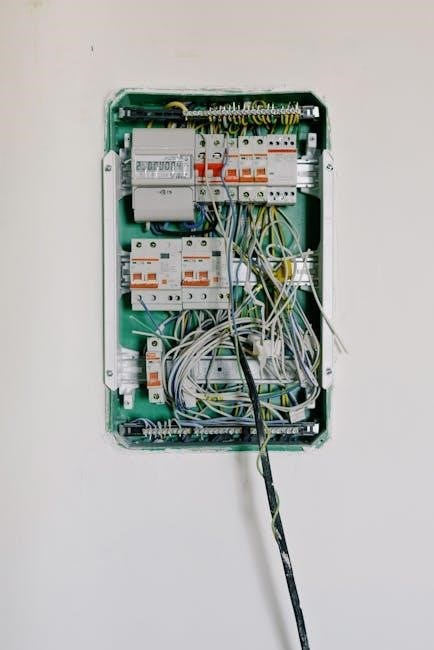
Various inductor types exist, including air-core, iron-core, and ferrite-core inductors, each offering different characteristics․ Air-core inductors are used in high-frequency applications, while iron-core inductors provide higher inductance for lower frequencies․
Inductors are crucial in circuits for filtering, energy storage, and creating resonant circuits․ They block rapid changes in current and are often used in power supplies and radio frequency (RF) applications․ Understanding inductance and its impact on circuit behavior is essential for electrical engineering․
Electrical Measurement Tools
Accurate electrical measurements are fundamental to any electrical work, requiring specialized tools․ The multimeter is arguably the most versatile, measuring voltage, current, and resistance․ Oscilloscopes visualize voltage waveforms over time, crucial for analyzing AC signals and identifying anomalies․
Clamp meters measure current without breaking the circuit, ideal for high-current applications․ Wattmeters determine power consumption, while power quality analyzers assess voltage and current distortions․ Insulation resistance testers (megohmmeters) verify the integrity of insulation;
Proper tool selection and usage are vital for safety and accuracy․ Calibration ensures reliable readings, and understanding each tool’s limitations is paramount․ Regular maintenance extends tool lifespan and maintains performance, contributing to safe and effective electrical work․
Power Factor Correction
Power factor (PF) represents the ratio of real power to apparent power in an AC circuit․ A low PF indicates inefficient energy utilization, increasing current flow and losses․ Power factor correction (PFC) aims to improve PF, typically by adding capacitors to counteract inductive loads like motors․
Capacitors introduce leading reactive power, offsetting the lagging reactive power caused by inductors․ This reduces the overall reactive power, bringing PF closer to unity (1)․ Improved PF lowers current demand, reduces voltage drop, and enhances system capacity․
PFC is crucial in industrial settings with significant inductive loads․ Implementing PFC can lead to substantial energy savings and reduced electricity bills․ Analyzing harmonic distortion is also important, as it impacts PF and requires specialized correction techniques․
Industrial Electricity Basics
Industrial electrical systems demand a robust understanding of AC and DC power principles․ Voltage levels are typically higher than residential applications, requiring specialized safety protocols․ Current capacity must accommodate heavy machinery and production processes, while resistance impacts energy efficiency․
Three-phase power is prevalent in industrial settings, providing consistent power delivery for large motors and equipment․ Transformers are essential for stepping voltages up or down to match equipment requirements․ Understanding power factor correction is vital for minimizing energy waste and optimizing system performance․
Safety is paramount, with strict adherence to Lockout/Tagout (LOTO) procedures and the use of appropriate Personal Protective Equipment (PPE)․ Proper grounding and regular maintenance are crucial for preventing electrical hazards and ensuring reliable operation․