
The Nikon D60 instruction manual details a 10;2-megapixel DSLR‚ capable of delivering sharp‚ detailed 3872 x 2592 pixel images using a CCD sensor․
What is the Nikon D60?
The Nikon D60 is a digital single-lens reflex (DSLR) camera designed for photography enthusiasts seeking a step up from point-and-shoot models․ As detailed in the Nikon D60 instruction manual‚ it features a 10․2-megapixel image sensor‚ enabling the capture of high-resolution photographs․ This camera boasts a maximum image resolution of 3872 x 2592 pixels‚ ensuring detailed and sharp images suitable for various applications‚ from prints to online sharing․
Utilizing a charged-coupled device (CCD) sensor‚ the D60 delivers excellent image quality․ The instruction manual further clarifies its capabilities‚ making it a valuable resource for understanding the camera’s features and limitations․ It’s a robust and reliable camera‚ offering a blend of performance and user-friendliness․
Key Features and Specifications
According to the Nikon D60 instruction manual‚ key specifications include its 10․2-megapixel count and the ability to capture images at a maximum resolution of 3872 x 2592 pixels․ The camera employs a CCD image sensor‚ known for its image quality․ The manual details various features‚ contributing to its overall performance․
Further specifications outlined in the manual cover its digital SLR design‚ making it a versatile tool for photographers․ Nikon reserves the right to modify specifications‚ as noted within the documentation․ Understanding these details‚ as presented in the instruction manual‚ is crucial for maximizing the camera’s potential and achieving optimal results․

Getting Started with Your Nikon D60
The Nikon D60 instruction manual guides users through initial setup‚ battery insertion‚ and memory card installation for a seamless photography experience․
Unboxing and Initial Setup
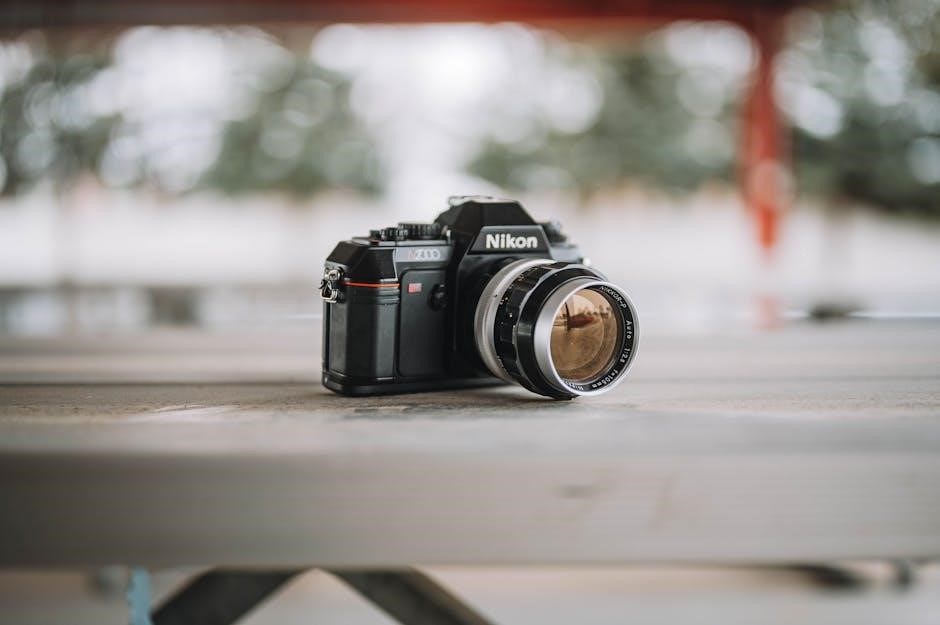
Upon unboxing your Nikon D60‚ carefully inspect all included components‚ referencing the instruction manual’s included parts list to ensure everything is present․ This typically includes the camera body‚ battery‚ battery charger‚ strap‚ USB cable‚ and various manuals․ Before proceeding‚ familiarize yourself with the camera’s exterior‚ identifying key buttons and ports as outlined in the manual․
Initial setup involves connecting the battery and inserting a compatible memory card – crucial steps detailed within the Nikon D60 instruction manual․ Power on the camera and follow the on-screen prompts to set your preferred language‚ date‚ and time․ The manual provides clear‚ step-by-step guidance for this process‚ ensuring a smooth and user-friendly start to your photographic journey․
Inserting the Battery and Memory Card
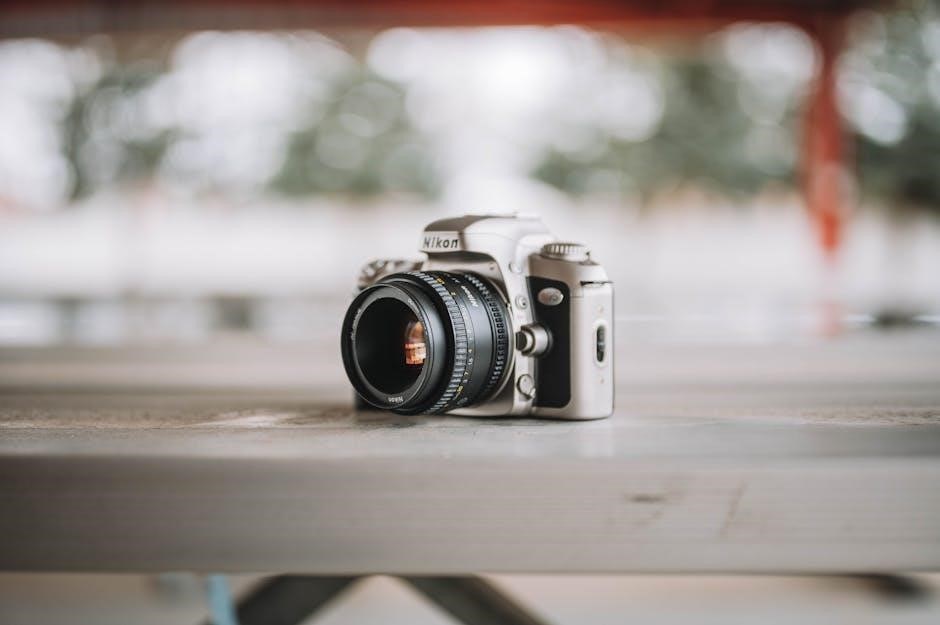
The Nikon D60 instruction manual clearly illustrates how to properly insert the battery․ Locate the battery compartment‚ usually at the bottom of the camera‚ and follow the latch mechanism described in the manual․ Ensure the battery clicks securely into place․ Next‚ insert a compatible memory card (refer to the manual for supported types) into the designated card slot․
The manual emphasizes gently pushing the card in until it locks․ Incorrect insertion can damage the card or camera․ Always power off the camera before inserting or removing either the battery or memory card‚ as detailed in the safety precautions within the Nikon D60 instruction manual․
Understanding the Camera Controls
The Nikon D60 instruction manual dedicates significant detail to explaining the camera’s controls․ Key elements include the mode dial‚ used to select shooting modes like Auto‚ Program‚ Aperture Priority‚ and Manual․ The manual illustrates the function of buttons for ISO‚ white balance‚ and autofocus point selection․
It also details the purpose of the directional pad for navigating menus and reviewing images․ Understanding the control layout‚ as shown in the manual’s diagrams‚ is crucial for efficient operation․ The manual stresses practicing with these controls to become familiar with their placement and function for optimal photographic results․

Shooting Modes Explained
The Nikon D60 instruction manual outlines modes like Auto‚ Program‚ Aperture Priority‚ Shutter Priority‚ and Manual‚ offering varying levels of creative control․
Auto Mode for Beginners
For those new to photography‚ the Nikon D60’s Auto mode simplifies the process significantly․ As detailed in the instruction manual‚ this mode allows the camera to handle all settings – aperture‚ shutter speed‚ ISO‚ and white balance – automatically․ This is ideal for everyday snapshots and situations where quick results are prioritized over precise control․
The manual emphasizes that Auto mode is designed to deliver optimal results in a wide range of lighting conditions; While it sacrifices creative flexibility‚ it ensures properly exposed and focused images with minimal effort from the user․ It’s a fantastic starting point for learning the basics before exploring more advanced shooting modes․
Program Auto (P) Mode
The Nikon D60’s Program Auto (P) mode‚ as explained in the instruction manual‚ offers a balance between automatic operation and user control․ Unlike full Auto mode‚ Program Auto allows adjustments to certain settings like ISO‚ white balance‚ and exposure compensation‚ while the camera still selects the appropriate aperture and shutter speed․
This mode is beneficial for photographers who want some creative input without the complexity of manual settings․ The manual highlights that Program Auto is excellent for situations where you want to influence the image’s look but don’t need complete control over every parameter․ It’s a step up from Auto‚ fostering a deeper understanding of photographic principles․
Aperture Priority (A) Mode
The Nikon D60 instruction manual details Aperture Priority (A) mode‚ where the photographer selects the desired aperture (f-stop) and the camera automatically determines the appropriate shutter speed for correct exposure․ This mode is ideal for controlling depth of field – how much of the image is in focus․
A wider aperture (lower f-number) creates a shallow depth of field‚ blurring the background‚ perfect for portraits․ A narrower aperture (higher f-number) increases depth of field‚ keeping more of the scene sharp‚ suitable for landscapes․ The manual emphasizes that understanding aperture is key to creative control‚ and A mode provides a practical way to learn this․
Shutter Priority (S) Mode
The Nikon D60 instruction manual explains Shutter Priority (S) mode allows photographers to set the shutter speed‚ while the camera automatically adjusts the aperture for proper exposure․ This mode excels at controlling motion – freezing action or creating motion blur․
A fast shutter speed (e․g․‚ 1/500s) freezes fast-moving subjects‚ ideal for sports photography․ A slow shutter speed (e․g․‚ 1/30s) blurs motion‚ conveying a sense of speed or movement‚ useful for waterfalls․ The manual highlights that mastering shutter speed is crucial for capturing dynamic scenes‚ and S mode offers a hands-on learning experience․
Manual (M) Mode
The Nikon D60 instruction manual details Manual (M) mode as offering complete creative control․ Photographers independently set both aperture and shutter speed‚ dictating exposure entirely․ This mode requires a strong understanding of the exposure triangle – aperture‚ shutter speed‚ and ISO – to achieve desired results․
While demanding‚ M mode unlocks full artistic potential․ It’s ideal for challenging lighting situations where automatic modes struggle․ The manual emphasizes that practice is key to mastering M mode‚ allowing for precise control over depth of field and motion blur․ It’s the ultimate mode for experienced photographers seeking full command․

Focusing and Exposure
The Nikon D60 instruction manual explains autofocus modes and points‚ alongside exposure compensation and metering modes‚ for optimal image capture control․
Autofocus Modes and Points
The Nikon D60 instruction manual thoroughly covers its autofocus system․ Understanding these modes is crucial for capturing sharp images․ The camera offers various autofocus-area modes‚ allowing users to select how the autofocus points are utilized․ Single-area AF focuses on a single‚ selected point‚ ideal for stationary subjects․ Dynamic-area AF utilizes multiple points around the selected one‚ tracking moving subjects․ Auto-area AF lets the camera automatically select the focus point․
The D60 features 3 focus points‚ providing a limited but functional focusing area․ The manual details how to select and move these points within the viewfinder․ Proper selection depends on the subject’s position and movement․ Mastering these autofocus settings significantly enhances the camera’s ability to consistently deliver sharp‚ well-focused photographs in diverse shooting scenarios․
Exposure Compensation
The Nikon D60 instruction manual explains exposure compensation as a vital tool for adjusting image brightness․ When the camera’s metering system doesn’t perfectly align with your desired exposure‚ this feature allows for manual overrides․ Exposure compensation is measured in stops‚ with positive values brightening the image and negative values darkening it․
The D60 offers a compensation range of +/- 5 stops‚ providing substantial control․ The manual details how to access and adjust this setting‚ emphasizing its usefulness in challenging lighting conditions like snow or backlit scenes; Understanding exposure compensation empowers photographers to achieve properly exposed images‚ preventing blown-out highlights or overly dark shadows‚ ultimately enhancing image quality․
Metering Modes
The Nikon D60 instruction manual thoroughly explains the camera’s three metering modes: Matrix‚ Center-weighted‚ and Spot․ Matrix metering evaluates the entire scene for balanced exposure‚ ideal for general photography․ Center-weighted metering prioritizes the center of the frame‚ useful for portraits where the subject is centrally located․ Spot metering measures light from a very small area‚ perfect for challenging lighting or specific subject isolation․
The manual details how to select each mode and provides guidance on when to use them for optimal results․ Understanding these modes allows photographers to tailor the camera’s exposure evaluation to the specific scene‚ ensuring accurate and well-exposed images in diverse shooting situations․

Image Quality and Settings
The Nikon D60 manual outlines settings for image size‚ quality‚ white balance‚ and Picture Control‚ influencing the final photograph’s appearance and detail․
Understanding Image Size and Quality
The Nikon D60 manual explains how image size and quality settings directly impact file dimensions and detail․ Selecting a larger image size‚ like 3872 x 2592 pixels‚ captures more information‚ resulting in sharper prints and greater cropping flexibility․ However‚ larger files consume more memory card space․
Quality settings determine the level of compression applied to the image․ Higher quality settings (like FINE) preserve more detail but create larger files‚ while lower settings (like NORMAL or BASIC) reduce file size at the expense of some image quality․ Understanding this trade-off is crucial for balancing storage capacity and desired image fidelity․ The manual guides users in choosing the optimal settings based on their intended use – web display versus large-format printing․
White Balance Settings
The Nikon D60 manual details the importance of white balance for accurate color reproduction․ Different light sources emit varying color temperatures‚ impacting how colors appear in photographs․ Incorrect white balance can result in unwanted color casts – images appearing too warm (yellowish) or too cool (bluish)․
The D60 offers several preset white balance modes‚ including Daylight‚ Incandescent‚ Fluorescent‚ and Flash‚ catering to common shooting scenarios․ A custom white balance option allows users to manually set the correct color temperature using a white or gray card․ Auto White Balance (AWB) attempts to determine the correct setting automatically‚ but manual control often yields more consistent and accurate results‚ especially in challenging lighting conditions․ Proper white balance ensures colors are rendered naturally and faithfully․
Picture Control Settings
The Nikon D60 manual explains Picture Control settings as a way to customize the overall look of your images directly within the camera․ These presets influence sharpness‚ contrast‚ brightness‚ saturation‚ and hue‚ offering creative control without post-processing․ Standard is a versatile all-purpose setting‚ while Vivid boosts color saturation for vibrant results․
Neutral provides a flatter profile ideal for editing‚ and Monochrome creates black and white images․ Custom settings allow you to fine-tune each parameter to your preference․ Users can save personalized Picture Controls for consistent results across shoots․ Experimenting with these settings allows photographers to achieve their desired aesthetic directly in-camera‚ streamlining their workflow․
Navigating the Menu System
The Nikon D60 manual guides users through customizable menu options and the setup menu‚ allowing adjustments to camera settings and personalized preferences easily․
Customizing Menu Options
The Nikon D60’s menu system offers extensive customization‚ detailed within the instruction manual․ Users can personalize settings to match their shooting style and preferences․ This includes adjusting image quality‚ white balance‚ and picture control settings for desired results․
Navigating the menus allows fine-tuning of autofocus modes‚ metering options‚ and exposure compensation․ The manual explains how to modify these settings to optimize performance in various shooting conditions․ Furthermore‚ users can customize button assignments and display settings for a more efficient workflow․
Understanding these options‚ as outlined in the manual‚ empowers photographers to fully utilize the D60’s capabilities and achieve their creative vision․ It’s a key aspect of mastering the camera․
Understanding the Setup Menu
The Nikon D60 instruction manual dedicates a section to the Setup menu‚ crucial for camera configuration․ This menu controls fundamental settings like date/time‚ language‚ and display brightness․ Users can format the memory card‚ adjust the USB connection method‚ and manage file naming conventions here․
Importantly‚ the Setup menu allows for resetting all settings to factory defaults‚ useful for troubleshooting or starting fresh․ It also includes options for firmware updates‚ ensuring the camera has the latest improvements and bug fixes․
The manual emphasizes careful review of these settings‚ as they impact overall camera functionality and user experience․ Nikon reserves the right to change specifications․

Troubleshooting Common Issues
The Nikon D60 manual advises contacting a Nikon representative for errors or omissions‚ and offers guidance on battery life and power management solutions․
Dealing with Error Messages
The Nikon D60 instruction manual stresses the importance of addressing error messages promptly․ Should an error occur‚ the manual directs users to carefully note the error code displayed on the camera’s LCD screen․ It then advises consulting the dedicated troubleshooting section within the manual itself‚ which provides detailed explanations for common error codes and suggested solutions․
If the manual’s guidance doesn’t resolve the issue‚ Nikon recommends contacting their customer support or a qualified camera repair technician․ Ignoring error messages can potentially lead to further damage or malfunction‚ so proactive attention is crucial․ The manual also notes Nikon reserves the right to change specifications‚ so updates may be available․
Battery Life and Power Management
The Nikon D60 instruction manual provides guidance on maximizing battery life․ It details factors impacting power consumption‚ such as frequent use of Live View‚ image review duration‚ and flash operation․ Users are advised to utilize the camera’s power-saving features‚ including auto power-off settings‚ to conserve energy during inactivity․
The manual also recommends carrying a fully charged spare battery‚ especially during extended shooting sessions․ Proper battery storage‚ avoiding extreme temperatures‚ is also highlighted․ Nikon notes they can change specifications at any time‚ and users should report any errors to a Nikon representative for assistance․