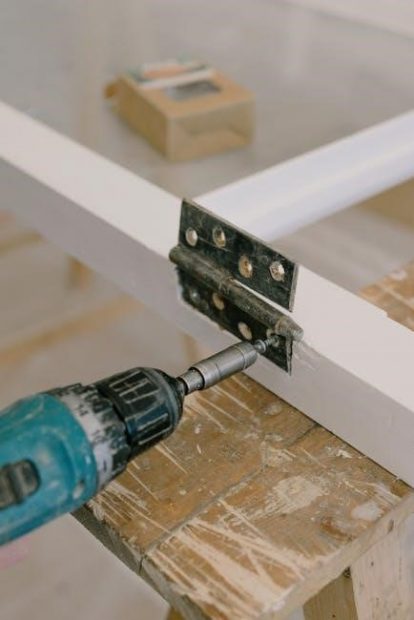
Drill Manual Cap: A Comprehensive Guide
Navigating the world of drilling requires understanding bits‚ techniques‚ and safety – this guide details everything from HSS to carbide‚ ensuring precision and efficiency.
Mastering hole creation involves selecting the correct bit for wood‚ metal‚ or masonry‚ alongside proper drill usage and maintenance for optimal results.
From basic twist bits to advanced techniques like counterboring‚ this manual equips you with the knowledge to tackle any drilling project confidently and safely.
Understanding Drill Bits
Drill bits are fundamental tools‚ each designed for specific materials and applications. Choosing the right bit is crucial for efficient drilling and preventing damage to both the bit and the workpiece. A hole‚ essentially an absence of material‚ demands careful consideration of the tool used to create it.
DIYers often overlook bit selection‚ focusing solely on the drill itself. However‚ understanding bit types – from high-speed steel to carbide-tipped – is paramount. Drilling encompasses various processes‚ and the bit dictates the quality and speed of the resulting hole.
Recognizing the importance of the right tool for the job extends to drill bits‚ ensuring successful project completion and longevity of your tools.
Types of Drill Bits
A diverse range of drill bits caters to various materials and drilling needs. High-Speed Steel (HSS) bits are versatile for general-purpose drilling‚ while Cobalt Steel bits offer enhanced heat resistance for tougher materials. Carbide-Tipped bits excel in durability‚ extending lifespan when working with abrasive surfaces.
Solid Carbide bits provide superior performance in demanding applications‚ and Chip-Clearing HSS bits efficiently remove debris‚ preventing clogging. Masonry bits are specifically engineered for brick and concrete‚ while twist drill bits remain the most common type for everyday tasks.
Selecting the appropriate bit ensures clean‚ efficient holes and maximizes tool performance.
High-Speed Steel (HSS) Drill Bits
High-Speed Steel (HSS) drill bits represent a cornerstone for general-purpose drilling applications‚ offering a balance of affordability and performance. These bits are suitable for wood‚ plastic‚ and softer metals like aluminum‚ making them a versatile choice for DIY enthusiasts and professionals alike.
However‚ HSS bits can lose their sharpness relatively quickly when used on harder materials. Maintaining sharpness through regular honing is crucial for optimal performance. They are readily available in a wide range of sizes and styles‚ catering to diverse project requirements.
Despite limitations‚ HSS remains a popular choice due to its cost-effectiveness.
Cobalt Steel Drill Bits
Cobalt steel drill bits are engineered for superior performance in demanding applications‚ particularly when working with hard metals like stainless steel and cast iron. The addition of cobalt enhances heat resistance and hardness‚ allowing these bits to maintain their cutting edge for extended periods.
Compared to HSS bits‚ cobalt steel options are more expensive but offer significantly improved durability and longevity. They excel in situations where conventional bits would quickly dull or break‚ providing a reliable solution for challenging materials.
Investing in cobalt bits is wise for frequent drilling into tough substances.
Carbide-Tipped Drill Bits
Carbide-tipped drill bits represent a significant advancement in drilling technology‚ combining the strength of a steel body with a hardened carbide cutting tip. This construction delivers exceptional wear resistance and allows for high-speed drilling through a wide range of materials‚ including wood‚ plastic‚ and metal.
The carbide tip maintains a sharp edge much longer than traditional high-speed steel‚ reducing the frequency of sharpening and extending the bit’s lifespan. They are a versatile choice for both professional and DIY users.
These bits offer a balance of durability and cost-effectiveness.
Carbide Drill Bits
Solid carbide drill bits are engineered for demanding applications‚ offering unparalleled hardness and resistance to abrasion. Unlike carbide-tipped bits‚ these are constructed entirely from carbide‚ making them ideal for drilling into extremely hard materials like hardened steel‚ cast iron‚ and exotic alloys.
Their monolithic construction allows for precise hole creation and minimizes the risk of chipping or breaking‚ even at high speeds. However‚ they are generally more brittle than other bit types.
These bits require careful handling and are often used in CNC machining.
Chip-Clearing High-Speed Steel Drill Bits
Chip-clearing HSS drill bits represent an advancement in traditional high-speed steel design‚ specifically addressing the common issue of chip evacuation during drilling. These bits feature optimized flute geometries – wider and deeper than standard HSS bits – to efficiently remove material from the hole.
This improved chip evacuation reduces friction‚ heat buildup‚ and the likelihood of bit clogging‚ leading to faster drilling speeds and extended bit life. They are particularly beneficial when drilling deeper holes or working with materials prone to creating long‚ stringy chips.
Effectively‚ they enhance performance.
Drill Bit Geometry and Design
Drill bit geometry is paramount to performance‚ influencing cutting efficiency‚ hole quality‚ and overall bit lifespan. The design encompasses several key elements‚ including the point angle‚ flute shape‚ and overall bit structure. Twist drill bits‚ the most prevalent type‚ feature helical flutes that channel chips away from the cutting point.
Variations in flute geometry cater to specific materials; wider flutes excel at chip evacuation in softer materials‚ while narrower flutes are suited for harder substances. Understanding these design nuances is crucial for selecting the optimal bit for any drilling application.
Twist Drill Bits: The Standard
Twist drill bits represent the most ubiquitous and versatile type‚ forming the foundation of many drilling operations. Characterized by helical flutes running along their length‚ these bits efficiently evacuate chips generated during cutting‚ preventing overheating and ensuring smooth drilling.
Their widespread adoption stems from their ability to effectively bore holes in a diverse range of materials‚ including wood‚ metal‚ and plastic. Standard twist bits are available in various materials like HSS and cobalt‚ catering to different application demands and material hardnesses.
Point Angle and its Impact
The point angle‚ formed by the cutting edges of a drill bit‚ significantly influences its performance and suitability for specific materials. A smaller angle‚ typically 118 degrees‚ is ideal for softer materials like wood‚ providing a cleaner cut and reducing splintering.
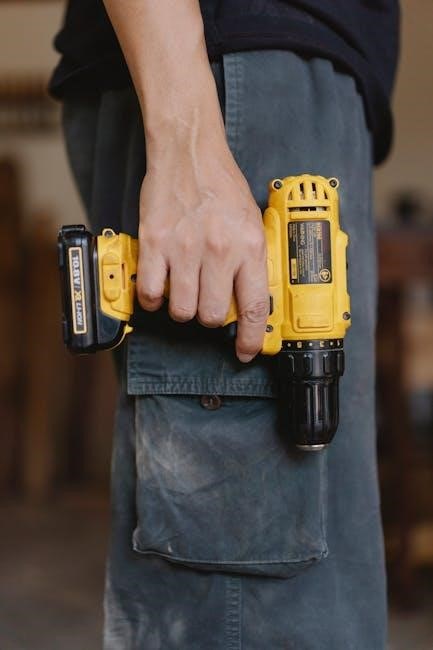
Conversely‚ larger angles‚ around 135 degrees‚ are better suited for harder metals‚ offering increased durability and preventing the bit from “walking” or deviating from the intended drilling location. Understanding this relationship is crucial for achieving precise and efficient drilling.
Materials and Drill Bit Selection

Choosing the correct drill bit is paramount for successful drilling‚ dictated primarily by the material being worked with. Wood requires bits with sharp edges‚ often high-speed steel‚ designed to efficiently shear fibers. Metal demands harder bits‚ like cobalt or carbide-tipped‚ to withstand higher temperatures and abrasion.
For masonry and concrete‚ specialized masonry bits with carbide tips are essential‚ utilizing a hammering action to pulverize the material. Ignoring material compatibility leads to premature bit wear‚ poor hole quality‚ and potential damage to both the bit and the workpiece.
Drilling into Wood
Drilling into wood necessitates bits designed for shearing wood fibers cleanly‚ typically high-speed steel (HSS) bits with a sharp point. Brad-point bits excel at preventing wandering‚ crucial for accurate hole placement. Spade bits are ideal for larger diameter holes‚ while auger bits efficiently remove material for deep holes.
Employing the correct speed is vital; slower speeds for harder woods‚ faster for softer ones. Applying consistent pressure and avoiding excessive force prevents splintering and ensures a clean‚ precise hole. Always clamp the wood securely to prevent movement during drilling.
Drilling into Metal
Drilling metal demands robust bits like cobalt steel or carbide-tipped options‚ capable of withstanding higher temperatures and hardness. Lower speeds are essential to prevent overheating and bit dulling‚ alongside the use of cutting oil to lubricate and cool the cutting surface.
Employing firm‚ consistent pressure is key‚ avoiding excessive force that can break the bit. Center punching the desired location creates a starting point‚ preventing the bit from “walking.” Deburring the hole after drilling removes sharp edges‚ ensuring safety and a clean finish.
Drilling into Masonry and Concrete
Successfully drilling into masonry and concrete necessitates specialized bits – typically carbide-tipped masonry bits – designed to withstand abrasive materials. Hammer drills‚ or rotary hammer drills‚ are crucial‚ combining rotation with percussive hammering action to pulverize the material.
Applying consistent‚ moderate pressure is vital‚ allowing the bit to do the work. Starting with a smaller pilot hole can improve accuracy and prevent bit wandering. Dust extraction is highly recommended‚ protecting your lungs and improving visibility during the drilling process.

Hammer Drills vs. Standard Drills
Standard drills excel at rotational force‚ ideal for wood‚ metal‚ and plastics. However‚ they struggle with hard materials like concrete. Hammer drills introduce a percussive hammering action alongside rotation‚ effectively fracturing masonry and concrete.
Rotary hammer drills are a more robust type‚ delivering significantly higher impact energy for demanding tasks. Impact drivers‚ while offering rotational force with impacts‚ are better suited for driving screws‚ not efficient for creating precise holes in hard materials. Choosing the right drill depends entirely on the material being drilled.
Rotary Hammer Drills
Rotary hammer drills represent the pinnacle of drilling power for concrete and masonry. Unlike standard hammer drills‚ they utilize a pneumatic or electro-pneumatic hammering mechanism‚ delivering substantially more impactful force.
This allows for faster and more efficient drilling of larger diameter holes and into harder materials. SDS (Slotted Drive System) chucks are common‚ providing secure bit retention and efficient energy transfer. These drills often feature multiple modes – rotary only‚ hammer drilling‚ and chiseling – enhancing versatility for demolition tasks.
Impact Drivers and Drilling
Impact drivers‚ while primarily fastening tools‚ can be utilized for drilling‚ particularly in wood and some metal applications. They deliver rotational force combined with concussive blows‚ excelling at driving screws but also capable of creating holes.

However‚ they lack the precision and control of dedicated drills‚ and bit slippage can be a concern. Using hex-shank drill bits is essential with impact drivers. For masonry or concrete‚ an impact driver is not a substitute for a rotary hammer drill‚ as it lacks the necessary hammering mechanism.
Drill Bit Sizes and Measurement
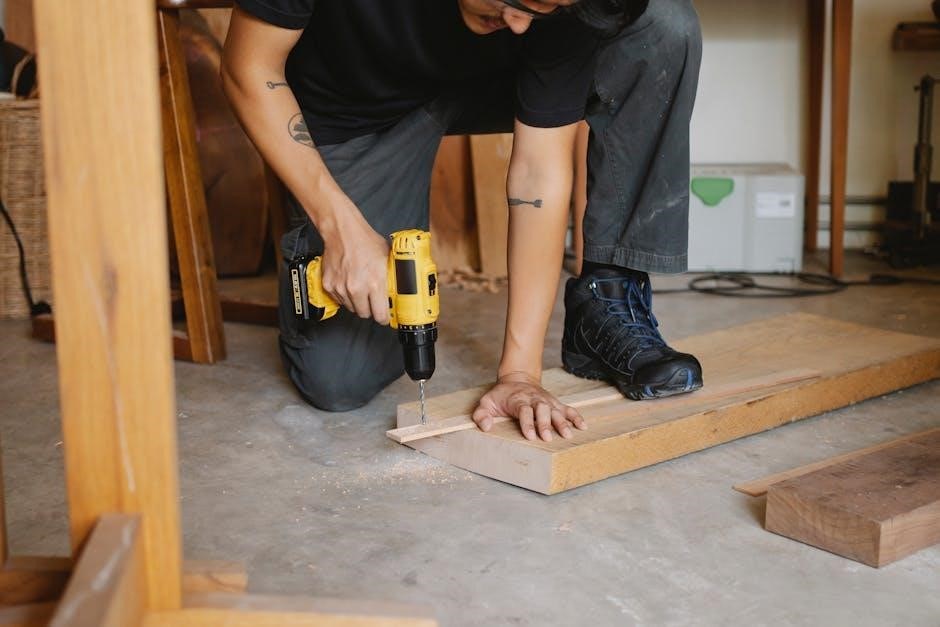
Drill bit sizes are crucial for accurate hole creation‚ measured in both fractional and metric systems. Fractional sizes‚ common in the US‚ are expressed as inches (e.g.‚ 1/8″‚ 1/4″). Metric sizes‚ prevalent elsewhere‚ use millimeters (e.g.‚ 3mm‚ 6mm).
Number drill bits‚ a fractional system‚ use a numbering scheme where higher numbers indicate smaller diameters. Understanding these systems is vital for matching the bit to the desired hole size. Bit sets often include a range of sizes for versatility.
Fractional Drill Bit Sizes
Fractional drill bit sizes are a standard in the United States‚ representing diameters in inches. Common sizes include 1/16″‚ 1/8″‚ 3/16″‚ 1/4″‚ 3/8″‚ and 1/2″‚ each suited for different applications. Smaller bits are ideal for pilot holes and delicate work‚ while larger ones tackle bigger projects.
Number drill bits offer another fractional system‚ using numbers from 1 to 80‚ where a higher number signifies a smaller diameter. Selecting the correct fractional size ensures a precise fit for screws‚ bolts‚ and other fasteners‚ contributing to project stability.
Metric Drill Bit Sizes
Metric drill bit sizes‚ prevalent outside the US‚ are measured in millimeters (mm). Common sizes include 1mm‚ 1.5mm‚ 2mm‚ 2.5mm‚ 3mm‚ 4mm‚ 5mm‚ 6mm‚ and 8mm‚ offering a precise and standardized system. These bits are frequently used in international manufacturing and construction projects.
Understanding metric sizing is crucial when working with metric hardware. Converting between fractional and metric sizes is sometimes necessary‚ utilizing conversion charts for accuracy. Proper selection ensures compatibility and prevents issues during assembly and fastening.
Maintaining Drill Bit Sharpness
Maintaining drill bit sharpness is paramount for efficient drilling and preventing damage to both the bit and the workpiece. Dull bits require excessive force‚ leading to wandering‚ breakage‚ and poor-quality holes; Regular sharpening restores the cutting edge‚ ensuring clean and precise results;
Sharpening methods range from using drill bit sharpeners to employing files or grinding wheels. Extending bit life involves proper storage‚ avoiding excessive heat‚ and using cutting fluids during operation. Consistent maintenance saves money and enhances drilling performance.
Sharpening Methods
Several methods exist for restoring a drill bit’s cutting edge. Dedicated drill bit sharpeners offer precision and ease of use‚ often featuring adjustable angles for different bit types. Manual sharpening utilizes files‚ demanding skill to maintain the correct geometry. Grinding wheels‚ when used carefully‚ can effectively reshape dull bits.
Proper technique involves maintaining the correct lip angle and relief angle. Coolant prevents overheating during sharpening. Regular inspection is crucial to identify and address dullness promptly‚ ensuring optimal drilling performance and bit longevity.
Extending Drill Bit Life
Prolonging the lifespan of your drill bits requires mindful practices. Reduce drilling speed‚ especially in harder materials‚ to minimize heat buildup and wear. Use cutting fluid or lubricant during metal drilling to dissipate heat and reduce friction. Avoid excessive pressure‚ letting the bit do the work.
Store bits properly in a dry environment to prevent rust. Regularly clean bits after use‚ removing debris that can cause damage. Sharpen dull bits promptly‚ as using a dull bit strains the drill and accelerates wear on both bit and tool;
Safety Precautions When Using Drill Bits
Prioritize safety when operating drills; always wear appropriate eye protection to shield against flying debris. Secure the workpiece firmly with clamps or a vise to prevent movement during drilling‚ reducing risk of injury. Disconnect the drill from power before changing bits or making adjustments.
Avoid loose clothing or jewelry that could become entangled in the drill. Be aware of your surroundings and ensure adequate lighting. Never force the drill; let the bit do the work. Inspect bits for damage before each use‚ discarding any that are cracked or worn.
Eye Protection
Protecting your eyes is paramount when drilling; flying chips of metal‚ wood‚ or masonry pose a significant risk of injury. Always wear safety glasses or a face shield that meets ANSI Z87.1 standards. Standard eyeglasses or sunglasses do not provide adequate protection.
Ensure the eye protection fits snugly and provides a full range of vision. Consider using goggles for dusty applications‚ creating a tighter seal. Regularly inspect safety glasses for scratches or damage‚ replacing them as needed. Prioritize eye safety – it’s a non-negotiable aspect of drilling.
Proper Workpiece Clamping
Securely clamping your workpiece is crucial for safe and accurate drilling. Unclamped materials can spin with the drill bit‚ causing injury and inaccurate holes. Utilize a vise‚ clamps‚ or other appropriate holding devices to firmly secure the material to a stable surface.
Ensure the clamping force is sufficient to prevent movement‚ but avoid over-tightening‚ which could damage the workpiece. Position clamps strategically to avoid interfering with the drilling path. Always double-check the stability before initiating drilling‚ prioritizing safety and precision.

Advanced Drilling Techniques
Beyond basic hole creation‚ several techniques enhance drilling capabilities. Step drilling involves progressively larger bits for precise‚ multi-sized holes‚ ideal for electrical work. Counterboring creates a flat-bottomed recess for flush-mounted screws‚ while countersinking angles the hole to accept screw heads flush with the surface.
These methods demand precision and control‚ often utilizing specialized bits. Mastering these techniques expands project possibilities‚ improving both functionality and aesthetics. Proper setup and bit selection are vital for successful advanced drilling applications.
Step Drilling
Step drilling is a technique utilizing a specialized stepped drill bit to create holes of varying diameters with a single pass. This method is particularly useful when needing multiple hole sizes‚ such as for electrical conduit or plumbing. The bit’s stepped design allows for incremental increases in diameter as it penetrates the material.

It minimizes tool changes and offers clean‚ accurate results‚ especially in thinner materials. Proper speed control and consistent pressure are crucial to prevent walking or damage. Step bits excel in sheet metal‚ plastics‚ and softer materials‚ offering efficiency and precision.
Counterboring and Countersinking
Counterboring creates a recessed cylindrical area around a hole‚ allowing a fastener head to sit flush with the surface. This differs from countersinking‚ which creates a conical recess for flat-head screws; Both techniques enhance aesthetics and prevent protruding fasteners.
Counterboring requires a counterbore bit‚ while countersinking uses a countersink bit – both attach to standard drills. Precise depth control is vital to avoid drilling too deep. These methods are common in woodworking and metalworking‚ ensuring secure and visually appealing assemblies.
Choosing the Right Drill for the Bit
Selecting the appropriate drill is crucial for optimal bit performance and longevity. Corded drills offer consistent power‚ ideal for heavy-duty tasks‚ while cordless drills provide portability and convenience. Consider the bit’s shank size – most modern drills accommodate both hex and round shanks.
Crucially‚ match drill speed (RPM) and torque to the bit type and material. High-speed bits require faster speeds‚ while larger bits in harder materials need lower speeds and higher torque. A variable-speed drill offers maximum versatility for diverse drilling applications.
Corded vs. Cordless Drills
Corded drills deliver uninterrupted power‚ making them suitable for prolonged‚ demanding tasks like extensive metalwork or concrete drilling. They don’t suffer from battery life limitations‚ ensuring consistent performance. However‚ their tethered nature restricts mobility and requires access to a power outlet.
Cordless drills‚ powered by rechargeable batteries‚ prioritize convenience and portability. Ideal for jobsites without readily available electricity‚ they offer freedom of movement. Modern battery technology provides impressive runtimes‚ but power can diminish as the battery drains‚ and charging is necessary.
Drill Speed and Torque Considerations
Drill speed‚ measured in revolutions per minute (RPM)‚ dictates how quickly the bit rotates. Higher speeds are generally suited for smaller bits and softer materials like wood‚ while lower speeds are better for larger bits and harder materials like metal. Variable speed drills offer greater control.
Torque‚ the rotational force‚ determines the drill’s ability to power through tough materials. Higher torque is essential for driving large screws or drilling through dense substances. Consider the application; delicate work requires less torque‚ while heavy-duty tasks demand more.
Troubleshooting Common Drilling Problems
Drill bit walking‚ where the bit wanders from the intended starting point‚ often occurs on smooth surfaces; a center punch creates a starting indentation. Breaking drill bits frequently stems from excessive force‚ incorrect speed‚ or using a dull bit. Reduce pressure and select the appropriate RPM.
Binding‚ where the bit gets stuck‚ can be resolved by reversing the drill and carefully extracting it. Overheating indicates too much pressure or an inadequate cutting speed; allow the bit to cool. Regular maintenance and proper technique prevent most issues.
Drill Bit Walking
Drill bit walking‚ a common frustration‚ happens when the bit slips and doesn’t start where intended‚ particularly on smooth‚ hard surfaces like metal or polished wood. This occurs due to a lack of initial grip. A simple solution is to create a small indentation‚ or “pilot hole‚” using a center punch before drilling.

The punch provides a defined starting point for the bit to catch. Alternatively‚ using a slower speed and applying firm‚ consistent pressure can help maintain control. Ensure the bit is sharp‚ as dull bits are more prone to wandering. Consider using a spotting drill.
Breaking Drill Bits
Drill bit breakage is often caused by excessive force‚ drilling at too high a speed‚ or using a dull bit. Applying too much pressure can overload the bit‚ leading to snapping‚ especially in harder materials. Using the correct speed for the material is crucial; slower speeds for harder materials are best.
Dull bits require more force‚ increasing the risk of breakage. Regular sharpening or replacement is essential. Avoid drilling at an angle‚ as this puts uneven stress on the bit. Ensure proper workpiece clamping to prevent movement and vibration during drilling.