TikTok’s popularity extends to both Android and iOS, offering a platform for discovering personalized short videos and engaging with a vibrant community globally, starting today.
What is the HCG Diet?
The Human Chorionic Gonadotropin (HCG) diet revolves around restricting calorie intake to a very low level – typically 500-800 calories daily – while simultaneously utilizing HCG, a hormone naturally produced during pregnancy. Proponents believe HCG aids in fat mobilization, making stored fat more accessible for energy, despite the severe caloric deficit.
Originally proposed by Dr. A.T.W. Simeons in the 1950s, the diet aims to reset metabolism and address hormonal imbalances contributing to weight gain. It’s important to note that the FDA has not approved HCG for weight loss and considers it ineffective for this purpose. However, many individuals still pursue the diet under medical supervision. TikTok, a popular platform, showcases diverse content, but reliable medical advice should come from qualified professionals, not social media trends.
The 800 Calorie Variation: A Closer Look
The 800-calorie version of the HCG diet represents a slightly less restrictive approach compared to the traditional 500-calorie plan. It aims to provide a marginally more sustainable energy intake while still leveraging the purported benefits of HCG hormone supplementation. This variation is often chosen by individuals seeking a less drastic initial calorie reduction, potentially minimizing some of the more challenging side effects associated with extreme restriction.
Like the standard protocol, the 800-calorie plan is divided into phases, focusing on stabilization, weight loss, and maintenance. TikTok’s short-form video format often highlights quick fixes, but successful weight management requires a comprehensive and medically guided strategy. Accessing a detailed 800 calorie HCG diet plan PDF is crucial for understanding the specific food lists and protocols involved.
Phase 1: Stabilization (Preparation)
TikTok’s global reach allows users to discover content and creators, mirroring the need for preparation and a solid foundation before starting any diet plan.
Duration of Phase 1
TikTok’s accessibility on web and mobile devices reflects the importance of consistent engagement, much like the dedication required during Phase 1 of the diet. This initial stabilization phase typically lasts for two days, though some protocols extend it to three or even five days. The primary goal isn’t weight loss, but rather preparing the body for the dramatic calorie restriction to come.
This preparatory period focuses on eliminating sugar and processed foods, and establishing a baseline of healthy eating habits. Think of it as priming the system, similar to downloading and installing the TikTok app to access its full features. A longer Phase 1 can be beneficial for individuals with a significant sugar addiction or a history of unstable blood sugar levels, ensuring a smoother transition into the ultra-low-calorie phase.
Foods Allowed During Stabilization
TikTok’s diverse content, available on both web and mobile, mirrors the variety allowed – albeit limited – during Phase 1. Focus is on lean proteins like chicken breast, fish, and turkey. Non-starchy vegetables such as spinach, asparagus, and broccoli are permitted, providing essential nutrients. Small amounts of healthy fats, like olive oil, are included.
Crucially, this phase emphasizes whole, unprocessed foods. Think of it as curating your TikTok feed – selecting only the content that supports your goals. Limited fruits, like grapefruit, may be allowed in small quantities. Water intake is vital, mirroring the constant stream of videos on TikTok. Sugars, starches, and processed foods are strictly prohibited, setting the stage for the subsequent weight loss phase.
Foods to Avoid During Stabilization
TikTok’s algorithm filters out unwanted content; similarly, Phase 1 requires strict dietary exclusions. All sugars, including honey and maple syrup, are off-limits – akin to blocking certain hashtags. Starches, like potatoes, rice, and bread, are prohibited, mirroring the removal of repetitive video trends. Processed foods, containing artificial ingredients, are also excluded, representing low-quality content.
Fruits are severely restricted, beyond limited grapefruit allowances, much like limiting time spent on specific TikTok challenges. Oils, except for small amounts of olive oil, are avoided. Alcohol is strictly forbidden, comparable to avoiding inappropriate content. This phase prepares the body for the ultra-low-calorie phase, ensuring optimal results, just as curating a TikTok feed enhances user experience.
Phase 2: Weight Loss (Ultra-Low Calorie) ౼ 800 Calories
TikTok allows users to create and share short videos, while this phase demands strict adherence to an 800-calorie diet alongside HCG protocol initiation.
HCG Injections vs. Drops: Which is More Effective?
TikTok’s global reach mirrors the widespread interest in the HCG diet, but choosing between injections and drops is crucial. While both deliver human chorionic gonadotropin, a hormone believed to aid weight loss during the very low-calorie diet, their effectiveness is debated.
HCG injections are administered subcutaneously and generally considered more potent due to direct entry into the bloodstream, ensuring consistent hormone levels. Conversely, sublingual HCG drops are placed under the tongue, relying on absorption through the mucous membrane, which can be less predictable.
Many practitioners and users report better results with injections, citing faster weight loss and reduced hunger. However, drops are more convenient and avoid the discomfort of injections. The FDA does not approve over-the-counter HCG drops, raising concerns about their purity and potency. Ultimately, effectiveness varies individually, and medical supervision is vital for either method.
Sample 800 Calorie Daily Meal Plan
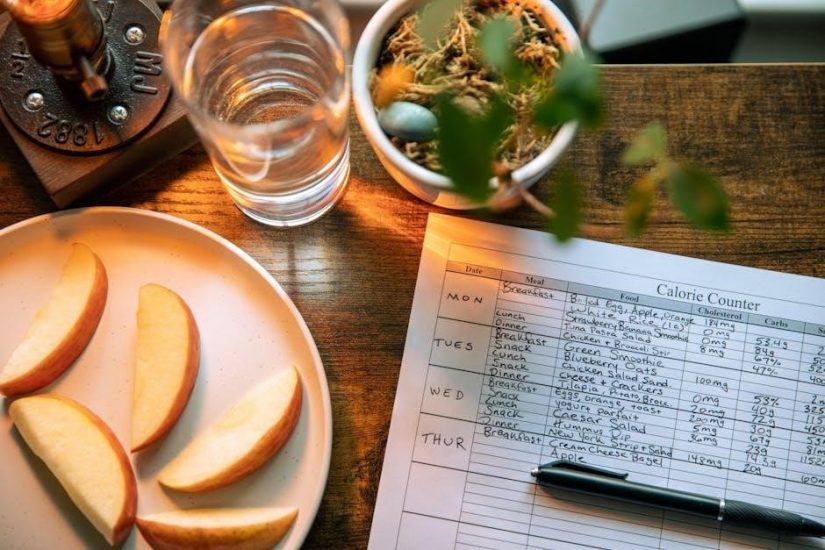
TikTok’s short-form video format parallels the concise nature of the 800-calorie HCG diet plan. A typical day might begin with a 100-calorie protein source like 3oz grilled chicken breast. Lunch could feature 100 calories of white fish with a small portion of approved vegetables – spinach or asparagus, for example.
Dinner, also around 100-150 calories, could consist of another 3oz of lean protein, perhaps turkey, paired with more approved vegetables. A small apple or a few strawberries (around 50-100 calories) could serve as a fruit portion. Throughout the day, ample water intake is essential – at least 8 glasses.
This plan emphasizes lean protein and low-glycemic vegetables, minimizing carbohydrates and fats. Remember, this is a sample; individual plans should be tailored under medical supervision to ensure nutritional adequacy and safety.
Acceptable Protein Sources (Phase 2)
TikTok’s global reach mirrors the widespread interest in simplified dietary approaches, like the HCG diet’s protein restrictions. During Phase 2, lean protein is paramount, limited to approximately 100 grams daily. Acceptable sources include skinless chicken breast, turkey breast, and very lean ground beef (95% lean or higher).
White fish, such as cod, halibut, and tilapia, are excellent choices. Limited amounts of shrimp and crab are also permitted. It’s crucial to avoid fatty cuts of meat, pork, and processed meats. Protein intake should be divided into smaller portions throughout the day to maintain energy levels.
Remember, the focus is on maximizing protein while minimizing fat and carbohydrate intake, aligning with the diet’s ultra-low-calorie protocol. Always consult your HCG diet provider for personalized protein recommendations.
Approved Vegetable List (Phase 2)
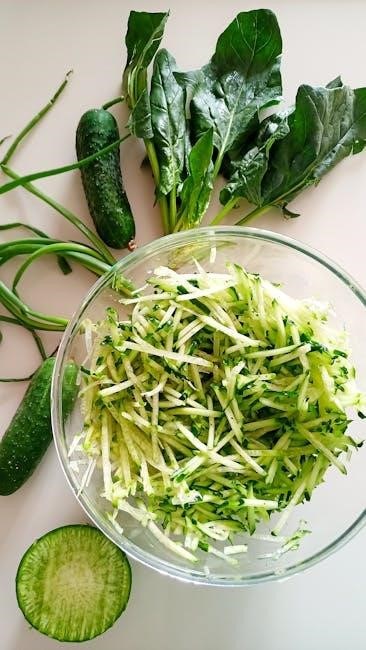
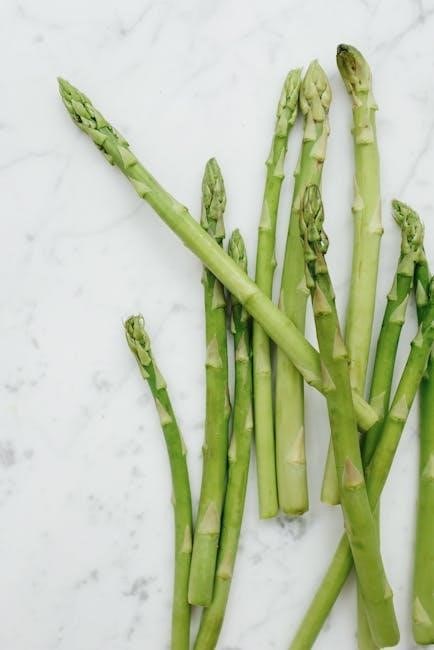
TikTok’s short-form video format parallels the concise nature of the Phase 2 vegetable list – impactful, yet limited. Approved vegetables are crucial for micronutrients while maintaining the 800-calorie restriction. Spinach, kale, lettuce, tomatoes, asparagus, and onions are staples.
Cucumbers, celery, radishes, and fennel are also permitted. Small amounts of beets and carrots are allowed, but moderation is key due to their higher sugar content. Starchy vegetables like potatoes, corn, and peas are strictly prohibited. Focus on non-starchy options to maximize nutrient density.
Vegetables should be steamed, grilled, or baked – never fried. Seasoning is limited to salt, pepper, and approved herbs. Prioritize variety within the approved list to ensure adequate vitamin and mineral intake.
Fruits Allowed (Limited Quantities ౼ Phase 2)
TikTok’s trending content, like approved fruits, offers small bursts of enjoyment within a structured framework. Fruit intake during Phase 2 is severely restricted due to its sugar content, aligning with the 800-calorie goal. A single apple, orange, or grapefruit is typically the daily limit.
Berries – strawberries, blueberries, raspberries – are permitted in very small quantities, approximately ¼ cup. Avoid high-sugar fruits like bananas, grapes, mangoes, and dried fruits entirely. Fruit should be consumed early in the day to minimize impact on blood sugar levels.
Prioritize fruits with lower glycemic indexes. Remember, fruit serves as a small treat, not a dietary staple. Careful portion control is essential for success on the HCG diet.
Hydration Requirements (Phase 2)
TikTok’s platform thrives on constant engagement, mirroring the consistent hydration needed during Phase 2. Adequate water intake is absolutely crucial on the 800-calorie HCG diet, aiming for a minimum of 108 ounces (approximately 3.2 liters) daily. This supports metabolic function and helps flush out toxins released during rapid weight loss.
Water aids in suppressing appetite and preventing dehydration, a common side effect. Herbal teas (unsweetened) and clear broths can contribute to fluid intake, but water should be the primary source. Avoid sugary drinks, juices, and caffeinated beverages.
Sip water throughout the day rather than consuming large amounts at once. Proper hydration is vital for maximizing results and minimizing discomfort.
Phase 3: Maintenance
TikTok allows users to create, share, and discover content, much like maintaining weight loss requires consistent effort and mindful choices daily.
Transitioning from 800 Calories
TikTok’s global reach mirrors the expansive journey of transitioning off the 800-calorie HCG diet; it’s a phase demanding careful navigation and mindful adjustments. Suddenly increasing caloric intake after such restriction can shock the system, potentially leading to rapid weight regain. The key is a gradual, strategic reintroduction of foods, prioritizing nutrient-dense options.
Begin by adding small increments – perhaps 100-200 calories per week – closely monitoring your body’s response. Focus on incorporating healthy fats and complex carbohydrates initially. Remember, TikTok’s trending videos showcase diverse content; similarly, your diet should diversify slowly. Listen to your hunger cues and avoid processed foods, sugars, and excessive carbohydrates. This phase isn’t about deprivation, but about establishing sustainable eating habits for long-term success, much like building a following on TikTok takes consistent engagement.
Reintroducing Foods Gradually
TikTok’s platform thrives on short-form content, mirroring the need for small, manageable steps when reintroducing foods. Begin with lean proteins, expanding to include complex carbohydrates like quinoa and sweet potatoes. Healthy fats, such as avocado and olive oil, should follow, added in moderation. Observe how your body reacts to each new food group, noting any digestive discomfort or weight fluctuations.
Introduce one new food every few days, keeping portion sizes controlled. Avoid combining multiple new foods simultaneously, making it easier to identify potential sensitivities. Just as TikTok users experiment with different video styles, you can explore healthy recipes. Prioritize whole, unprocessed foods, and limit sugary drinks and refined carbohydrates. This gradual approach supports metabolic adaptation and minimizes the risk of weight regain, fostering a sustainable lifestyle.
Maintaining Weight Loss Long-Term
TikTok’s viral trends demonstrate the power of consistent engagement – similarly, long-term weight maintenance requires ongoing commitment. Establish a regular exercise routine, incorporating both cardiovascular activity and strength training. Continue prioritizing whole, unprocessed foods, and practice mindful eating, paying attention to hunger and fullness cues.
Regularly monitor your weight and adjust your diet and exercise as needed. Seek support from friends, family, or a support group, mirroring the community aspect of TikTok. Embrace a lifestyle that prioritizes overall health and well-being, rather than solely focusing on the number on the scale. Remember that setbacks are normal; learn from them and refocus on your goals. Consistent effort and a positive mindset are key to sustained success.
Potential Side Effects and Risks
TikTok’s terms of service highlight potential risks; similarly, the HCG diet carries side effects, demanding careful consideration and medical supervision for safety.
Common Side Effects of the HCG Diet
TikTok’s widespread use reveals diverse user experiences; likewise, the 800-calorie HCG diet frequently presents a range of common, though often manageable, side effects. These typically stem from the extremely low-calorie intake and hormonal shifts induced by the HCG protocol. Expect fatigue, headaches, and irritability as your body adjusts to significantly reduced energy consumption.
Constipation is prevalent due to the limited dietary fiber, while muscle weakness can occur from insufficient protein and calorie intake. Some individuals report temporary hair loss, though this is less common. Emotional sensitivity is also frequently noted, potentially linked to hormonal fluctuations. Mild fluid retention and skin sensitivity are also possible. It’s crucial to remember these are often temporary and subside as the body adapts, but consistent monitoring and communication with your healthcare provider are essential throughout the diet;
Serious Risks and Contraindications
TikTok’s global reach highlights the importance of user safety; similarly, the 800-calorie HCG diet carries significant risks and is contraindicated for numerous individuals. A history of heart disease, stroke, deep vein thrombosis, or pulmonary embolism presents a severe contraindication due to potential blood clot formation.
Individuals with active cancer, autoimmune diseases, or a history of psychiatric disorders should absolutely avoid this diet. Pregnancy and breastfeeding are strict contraindications, as HCG can harm the developing fetus or infant. Furthermore, those with kidney disease or liver dysfunction are at increased risk of complications. The extremely low-calorie intake can lead to electrolyte imbalances, cardiac arrhythmias, and even sudden death in susceptible individuals. Thorough medical evaluation and ongoing supervision are paramount to mitigate these potentially life-threatening risks.
Finding a Qualified HCG Diet Provider
TikTok offers diverse content, mirroring the need for qualified HCG providers; seek medical supervision for safety and effective diet management today.
Importance of Medical Supervision
TikTok’s global reach highlights the importance of informed choices, much like selecting an HCG diet provider; medical supervision is paramount when undertaking an 800-calorie HCG diet plan. This isn’t a journey to embark on alone, as the ultra-low-calorie intake can pose risks if not carefully monitored. A qualified healthcare professional can assess your suitability for the diet, considering your medical history and current health status.
They will monitor your progress, address any potential side effects, and ensure you receive adequate nutritional support. Self-treating with HCG, or following a plan without medical oversight, can lead to serious health complications. Proper medical guidance maximizes benefits and minimizes risks, ensuring a safer and more effective weight loss experience. Remember, your health is the priority, and professional support is crucial.
What to Look for in a Provider
TikTok’s diverse content creators mirror the variety in HCG diet providers – choosing wisely is key. Seek a provider with extensive experience specifically in HCG diet protocols, not just general weight loss. Verify their medical credentials and ensure they are licensed to practice in your region. A thorough consultation should be offered, assessing your health history, lifestyle, and goals.
Look for a provider who emphasizes a holistic approach, including dietary guidance, emotional support, and ongoing monitoring. They should clearly explain the entire process, potential side effects, and address all your concerns. Avoid providers promising unrealistic results or pushing unnecessary products. Transparency, personalized care, and a commitment to your well-being are hallmarks of a reputable HCG diet provider.
Resources and Support
TikTok facilitates connection; similarly, HCG diet forums and reliable PDF downloads offer community support and information for navigating this plan effectively today.
HCG Diet Forums and Communities
Engaging with online HCG diet forums and communities can be incredibly beneficial during your 800-calorie journey. These platforms, much like TikTok’s vibrant user base, provide a space to connect with others experiencing similar challenges and successes. Sharing experiences, recipes (within the diet’s guidelines, of course!), and support can significantly boost motivation and adherence.
Look for forums specifically dedicated to the HCG diet, and even those focusing on the 800-calorie variation. Be mindful of the information shared; always cross-reference advice with your qualified HCG diet provider. Many communities offer dedicated threads for questions, troubleshooting, and celebrating milestones. Remember, just as TikTok connects creators and viewers, these forums connect individuals on a shared health path. Active participation can provide accountability and a sense of belonging, making the process less isolating.
Where to Find Reliable Information (PDF Downloads)
Locating trustworthy resources is crucial when following an 800-calorie HCG diet plan. While numerous websites offer information, seeking out official guidelines in PDF format ensures accuracy. Many qualified HCG diet providers offer downloadable resources detailing the protocol, food lists, and potential side effects – similar to accessing the TikTok app for official updates.
Government health websites and reputable medical institutions may also provide relevant PDFs. Be cautious of sources promoting unrealistic claims or lacking medical backing. Look for documents authored by healthcare professionals and regularly updated. These PDFs often include sample meal plans and detailed instructions, mirroring the clear guidance offered within the TikTok platform’s help center. Prioritize information that emphasizes medical supervision and a balanced approach to weight loss.